How Often Should You Get A Dental Cleaning: A Patient Guide to Routine Exams & Cleaning
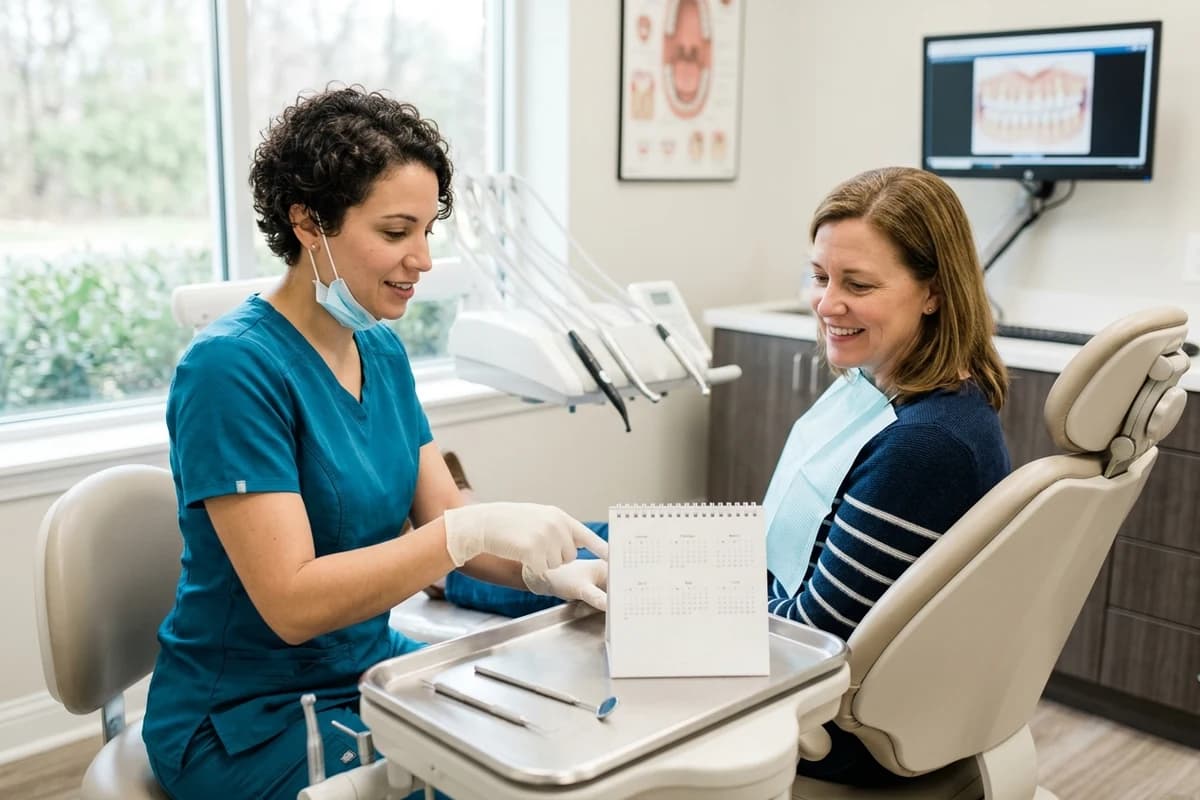
How often should you get a dental cleaning? The right schedule depends on your oral health, medical history, and what your dentist finds during routine examinations. This guide explains why cleaning intervals vary.
Short Answer
Short Answer
There is no single cleaning interval that fits everyone. Your dentist recommends a schedule based on your oral and general health, including gum health and your history of tooth decay. Some people need more frequent periodontal maintenance after gum treatment. Ask at your exam when the next cleaning is appropriate for you.[1][2]
Understanding Cleaning Intervals and Routine Dental Visits
A professional dental cleaning serves as a vital component of routine preventive dental care. Rather than functioning as an isolated procedure, regular cleanings pair with comprehensive oral examinations to monitor ongoing oral stability and detect emerging structural or soft-tissue changes before severe complications develop.[1]
Defining Preventive Dental Cleanings
Professional cleanings, clinically termed dental prophylaxis, mechanically eliminate calcified tartar and bacterial plaque from the surfaces of teeth. Daily home brushing cannot remove hardened calculus once it forms. Professional dental instruments thoroughly clean vulnerable enamel surfaces and areas along the gumline to prevent destructive inflammatory reactions in surrounding tissues.[1][2]
How Comprehensive Exams Complement Cleanings
While a cleaning removes harmful microbial deposits, a routine dental examination evaluates the underlying structures of the entire oral cavity. Clinicians evaluate tooth integrity, inspect restorative work, assess periodontal bone support, and screen mucosal tissues. This dual approach ensures that subtle oral changes receive timely clinical attention before worsening.[1][3]
Factors That Determine Your Recommended Recall Schedule
Recommended intervals between dental appointments vary based on an individual patient's risk profile rather than a single universal standard. Clinicians assess historical plaque accumulation, systemic medical diagnoses, and periodontal health to establish an evidence-based timeline designed to maintain oral stability over time.[1][2]
Periodontal Health and Biofilm Accumulation
The severity of gum tissue inflammation fundamentally dictates how frequently teeth require professional maintenance. When patients experience persistent gingivitis or deeper periodontal disease, subgingival bacterial biofilm repopulates quickly within periodontal pockets. Frequent cleanings disrupt this harmful bacterial recolonization before destructive pathogens can cause irreversible connective tissue breakdown or alveolar bone loss.[1][2]
Systemic Health and Daily Lifestyle Influences
Systemic conditions significantly alter the biological durability of oral tissues between preventive cleanings. Chronic conditions like diabetes mellitus can compromise healing responses and heighten periodontal inflammation, while diminished salivary flow accelerates plaque calcification and decay. Furthermore, tobacco use weakens tissue defense mechanisms, necessitating shorter intervals between professional clinical visits.[1][4]

Signs and Timing That Prompt an Earlier Dental Visit
Waiting for severe discomfort before scheduling a dental visit can compromise preventive care. Recognizing subtle oral warning signs allows patients to seek timely evaluations, ensuring minor inflammatory conditions receive prompt professional attention before progressing into advanced oral infections or structural dental issues.[1]
Identifying Oral Symptoms Between Scheduled Visits
Patients should arrange an interim dental evaluation if they observe noticeable bleeding, redness, or swelling during daily brushing. Persistent thermal sensitivity, chronic bad breath, or changes in how teeth fit together also indicate active oral changes. Any non-healing sore persisting past ten days warrants prompt professional assessment.[1][3]
How Dentists Assess Individual Clinical Risk
Determining your ideal cleaning recall schedule involves a comprehensive, individualized diagnostic evaluation. Rather than relying on guesswork, a dentist synthesizes periodontal probing measurements, radiographic bone levels, soft-tissue health markers, and personal medical histories to calibrate visit frequencies specifically to your physiological needs.[1][2]
Diagnostic Tools and Periodontal Charting
During a routine examination, clinicians utilize specialized periodontal probes to measure the sulcus depth around every tooth. Healthy tissue depths generally measure one to three millimeters, whereas deeper pockets often reveal active periodontal inflammation. Combined with individualized diagnostic radiographs, these measurements help the clinical team establish an appropriate preventive schedule.[1][2]
Preventive and Therapeutic Cleaning Approaches
Dental cleanings are not identical for every individual, as clinicians select specific modalities based on gingival health. Understanding the clinical distinctions between standard prophylaxis and specialized periodontal therapy helps patients understand the exact treatment plan recommended for their long-term oral stability.[1][2]
Routine Prophylaxis for Healthy Tissues
Routine prophylaxis is intended exclusively for patients with healthy gum tissues or minimal localized inflammation without systemic bone loss. This preventive treatment focuses on removing supragingival plaque and calculus above the gumline. Performed typically every six months, prophylaxis preserves existing periodontal health and helps prevent future inflammatory diseases.[1][2]
Periodontal Maintenance for Chronic Conditions
Patients diagnosed with periodontitis require therapeutic periodontal maintenance rather than simple preventive cleanings. Because periodontal disease damages supporting bone, these deeper cleanings access subgingival root surfaces beneath the gumline to disrupt virulent bacteria. Typically scheduled every three to four months, ongoing maintenance prevents destructive disease recurrence.[1][2]
Procedural Stages of a Routine Cleaning Visit
A routine dental exam and cleaning visit follows a structured sequence designed to evaluate health and remove oral deposits thoroughly. Knowing each phase of the appointment demystifies the experience, allowing patients to feel comfortable and actively engaged in their preventive care.[1]
Step-by-Step Clinical Workflow
The standard preventive appointment progresses methodically through comprehensive diagnostic screenings followed by gentle physical debridement of deposits. Clinicians evaluate systemic health records, examine oral mucosal tissues, and eliminate calcified bacterial buildup using hand or ultrasonic instruments. This sequential workflow leaves enamel surfaces clean, polished, and protected against bacterial adhesion.[1][2][3]
- Reviewing medical updates, interim symptoms, and taking diagnostic radiographs when clinically indicated.
- Screening head, neck, and intraoral soft tissues for mucosal abnormalities and signs of oral cancer.
- Measuring periodontal pocket depths around each tooth to evaluate gum attachment and tissue health.
- Scaling away supra- and subgingival plaque and tartar using ultrasonic devices or precision curettes.
- Polishing coronal tooth surfaces and applying topical fluoride to reinforce dental enamel against acid.
Intraoral and Soft-Tissue Screenings
An essential phase of the routine visit includes screening intraoral tissues, the tongue, and the throat for mucosal changes. Systematic palpation and visual checks detect precancerous lesions, salivary gland irregularities, or systemic manifestations early. Identifying soft-tissue abnormalities during routine exams significantly improves long-term clinical management outcomes.[1][3]
Maintaining Oral Health Between Scheduled Cleanings
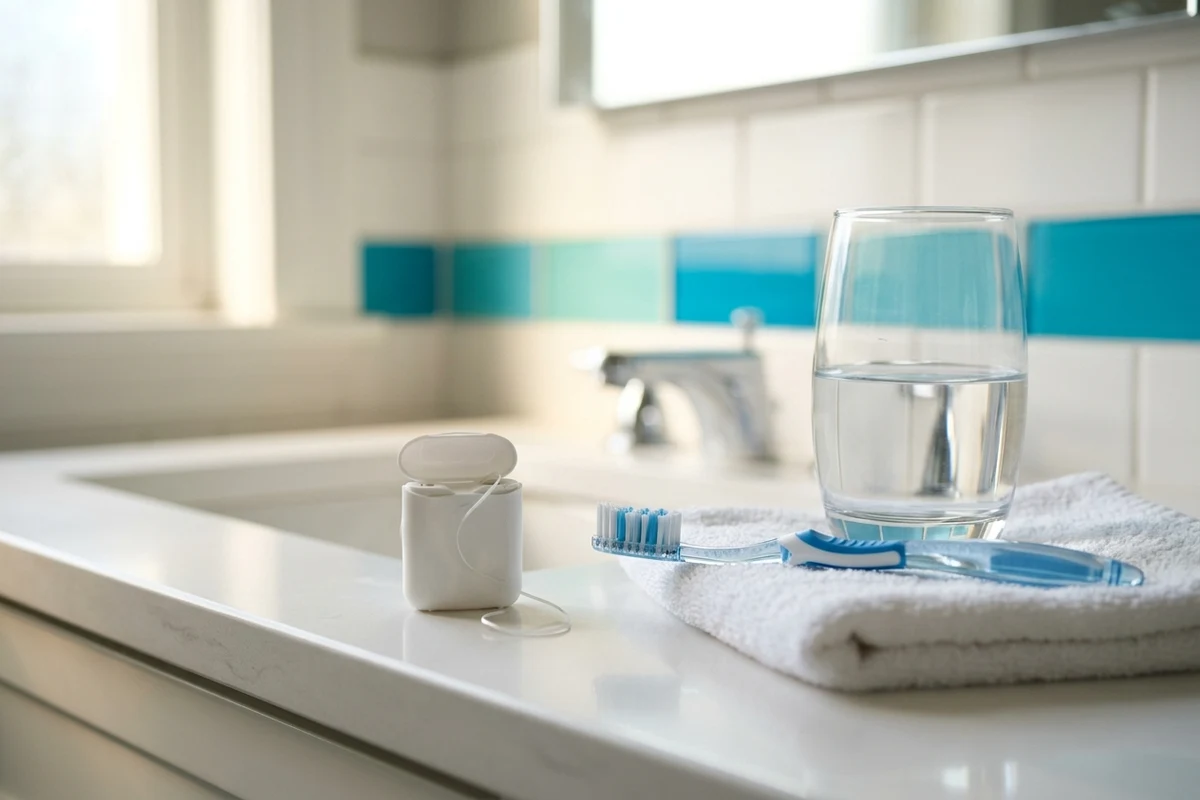
Professional cleanings provide an essential reset for your oral environment, but sustaining healthy teeth and gums requires consistent daily home maintenance. Implementing evidence-based hygiene habits between dental appointments prevents rapid plaque maturation, limits calculus formation, and protects periodontal tissues from chronic inflammatory damage.[1][5]
Evidence-Based Daily Plaque Control
Patients should brush twice daily for two full minutes using a soft-bristled brush and fluoride toothpaste. Brushing cleans exposed enamel surfaces, but interdental cleaning using dental floss or water flossers remains vital once daily to remove trapped biofilm between teeth where toothbrush bristles cannot physically reach.[5]
Environmental and Dietary Support for Oral Health
Nutritional habits and hydration profoundly impact the longevity of professional cleaning results. Limiting fermentable carbohydrates and added sugars minimizes acidic byproducts generated by oral bacteria, thereby protecting enamel integrity. Drinking fluoridated tap water and addressing chronic dry mouth help support salivary defense mechanisms that naturally wash away debris.[4][5]
Risks of Postponing Care and Next Steps
Delaying regular dental cleanings allows bacterial biofilm to calcify into stubborn tartar, fostering progressive gingival inflammation and potential bone loss. Because early oral disease often develops silently without obvious pain, prioritizing regular clinical checkups remains the most reliable strategy to preserve your natural smile.[1][2]
Sources
- mouthhealthy.org — American Dental Association
- ada.org — American Dental Association
- mouthhealthy.org — American Dental Association
- ada.org — American Dental Association
- mouthhealthy.org — American Dental Association
Common questions
Frequently asked questions
Yes. Patients with rapid calculus accumulation, heavy stain buildup, or heightened periodontal risks often benefit from cleanings every three to four months. Your dental provider can assess whether scheduling visits more frequently than the standard semi-annual timeline will help preserve your specific periodontal and enamel stability.[1][2]
Patients with healthy gums typically receive a supragingival prophylaxis focusing above the gumline. Conversely, individuals with active gum disease require deeper therapeutic debridement or scaling to remove pathogenic bacterial biofilm and hardened tartar embedded within subgingival periodontal pockets, arresting tissue infection and supporting healing.[1][2]
Dry mouth, or xerostomia, reduces saliva flow, which normally rinses away food particles and buffers damaging acids. Without adequate saliva, plaque hardens more quickly into calculus, substantially increasing cavity and gum disease risks. Consequently, patients experiencing chronic dry mouth often require more frequent professional cleanings.[1][4]
No. Dental X-rays are not routinely ordered on a fixed schedule for every appointment. Clinicians recommend radiographs based on an individualized assessment of your oral health history, current symptoms, and caries risk, adhering to professional diagnostic guidelines rather than an arbitrary calendar timeline.[1]
Plan your visit with Happy Smiles at Columbia
To determine the ideal cleaning schedule for your unique oral health needs, request an appointment at Happy Smiles at Columbia today to consult with our dental team.