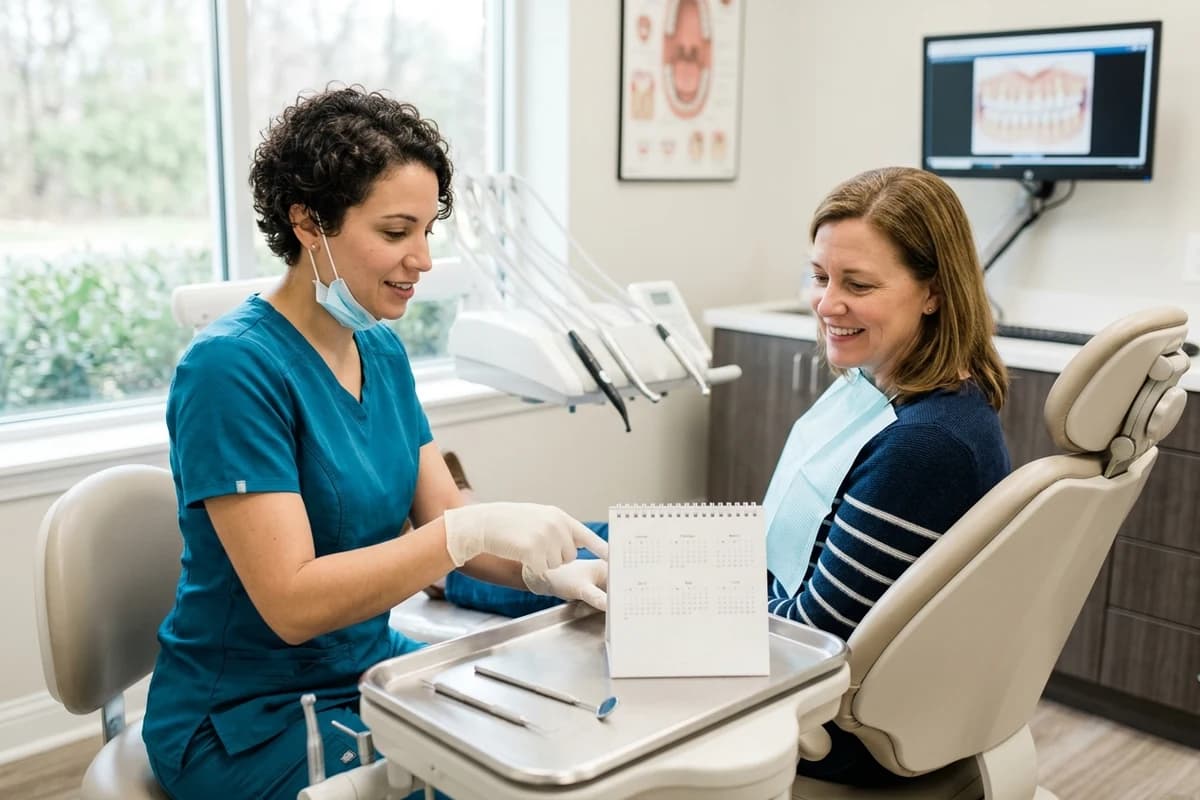
What To Do For A Dental Emergency: A Patient Guide to Emergency Dentistry

Knowing what to do for a dental emergency can help you respond calmly and seek timely care. Learn basic first-aid steps, warning signs, and when to contact a dentist or emergency department.
Short Answer
Short Answer
To manage a dental emergency, provide immediate first aid, protect injured tissues, and contact an emergency dentist right away for professional care. For a knocked-out permanent tooth, keep it moist in milk or saliva and seek treatment within sixty minutes. When life-threatening symptoms like difficulty breathing or diffuse swelling appear, go to a hospital emergency room immediately.[2][3][5]
Understanding Dental Emergencies and Urgent Dental Care
A dental emergency involves an acute issue affecting the teeth, gums, or jaw that requires prompt intervention to manage pain, halt bleeding, or resolve infection. Emergency dentistry delivers same-day diagnosis and focused treatment to address these sudden clinical concerns and preserve structural function.[2][5]
Defining Acute Oral Emergencies
Acute oral emergencies typically involve severe physical trauma, painful bacterial infections, or sudden post-surgical complications like dry socket. These conditions disrupt daily function and carry risks of progressive damage if left unaddressed. Prompt identification allows patients to take proper first-aid actions before arriving at a dental practice for clinical management.[3][5]
The Role of Emergency Dentistry Services
Emergency dentistry focuses on stabilizing traumatic oral injuries, providing rapid pain relief, and controlling advancing infections. Rather than scheduling routine preventive cleanings, emergency dental visits provide targeted diagnostics and immediate care to prevent permanent tooth loss and protect surrounding structures from further acute damage across urgent visits.[2][5]
Primary Causes and Risk Factors for Dental Emergencies
Dental emergencies generally stem from unexpected physical impact or unmanaged underlying oral diseases. Recognizing the primary causes of acute dental problems helps patients understand their immediate clinical risks and guides clinicians in selecting appropriate therapeutic interventions during emergency consultations.[1][3]
Physical Trauma and Impact Injuries
Direct facial impacts from sports, falls, or collisions can lead to knocked-out teeth, cracked enamel, or root fractures. In these traumatic situations, physical force damages both the hard dental structures and the soft periodontal ligament fibers, requiring immediate physical stabilization to preserve tooth viability and restore bite alignment.[1][2][3]
Bacterial Progression and Abscess Formation
Advanced dental decay allows oral bacteria to penetrate deep into the dental pulp, causing severe inflammation known as acute pulpitis. If the infection advances through the root tips, localized abscesses can form in surrounding gum tissues, risking serious spread into deeper fascial spaces of the head and neck without care.[3][4][5]

Recognizing Symptoms and Timing Professional Care
Understanding specific oral symptoms helps individuals determine how quickly to seek professional evaluation. Timely intervention can mean the difference between saving and losing a compromised tooth, particularly when intense pain or tissue displacement signals an acute clinical event.[2][4]
Identifying Symptoms That Demand Rapid Evaluation
Unremitting throbbing pain, sensitivity to pressure, facial swelling, loose permanent teeth, and localized gum boils represent primary indicators of an urgent dental problem. A knocked-out adult tooth requires intervention within thirty to sixty minutes to optimize cell survival on the root surface, making immediate action absolutely critical for preservation.[2][3][4]
Clinical Evaluation and Diagnostic Assessment
When evaluating a dental emergency, a dental clinician performs a targeted examination to locate the source of distress. Clinicians analyze tooth mobility, assess tissue health, and utilize diagnostic tools to determine the precise extent of injury before initiating treatment.[1][3]
Diagnostic Assessments and Clinical Planning
Clinicians rely on radiographic imaging to inspect underlying bone levels, root integrity, and periapical pathology. In tandem with radiographs, dentists perform pulp vitality testing and gentle periodontal probing to assess nerve health and soft-tissue attachment, ensuring that any chosen stabilization or restorative plan directly addresses the underlying structural breakdown.[1][3][5]
Emergency Care Options and Treatment Settings
Clinicians select emergency treatments based on whether an issue involves structural trauma, pulp infection, or soft-tissue damage. Comparing care pathways helps patients understand why a specific approach, from flexible splinting to root canal therapy, is recommended for their situation.[2][3]
Restorative, Endodontic, and Surgical Options
For displaced teeth, dentists apply flexible splints to anchor them during healing, while deep pulpal infections often require pulpectomy or complete root canal therapy to eliminate bacteria. When severe structural fractures leave a tooth non-restorable, controlled surgical extraction may serve as the most effective solution to halt worsening oral infection.[1][3][5]
Emergency Dental Visits Compared to Hospital Care
General dental clinics are fully equipped to repair broken teeth, drain localized abscesses, and perform delicate endodontic treatments. Conversely, hospital emergency rooms are necessary when oral conditions cause systemic distress, such as high fevers, airway obstruction, or extensive facial bone fractures that require broad medical trauma protocols.[2][3][5]
First-Aid Protocols and Clinical Procedures
Managing an acute oral issue requires sequential actions starting with immediate home stabilization and continuing into the dental operatory. Following structured first-aid steps preserves natural tissues and prepares the patient for definitive, comfortable in-office treatment.[2][3]
Immediate At-Home First-Aid Steps
Proper at-home first aid stabilizes an injured tooth before you reach the dental clinic for urgent care. Handling a knocked-out tooth correctly protects fragile microscopic cells along the root surface. The following chronological steps help preserve an avulsed permanent tooth prior to professional clinical reimplantation:[2][3]
- Pick up the tooth solely by its crown and avoid touching the delicate root surface.
- Rinse the tooth briefly in cold milk or saline if visible dirt is present.
- Gently reposition the tooth back into its socket if feasible, biting softly on clean gauze.
- Store the tooth in cold milk or saliva if reinsertion is not possible, and seek immediate care.
The In-Office Treatment Sequence
Upon arrival at the dental office, the team delivers localized anesthesia to alleviate discomfort before cleaning the affected tissues. The dentist then repositions displaced structures, performs necessary drainage or nerve therapy, and applies protective temporaries or splints to stabilize the area until final restorative procedures can take place.[1][3][5]

Recovery Protocols and Preventive Oral Care
Healing after an emergency dental procedure requires adherence to aftercare guidelines and diligent preventive habits. Long-term care focuses on monitoring pulpal vitality, maintaining restoration integrity, and protecting vulnerable oral tissues from future mechanical or bacterial harm.[2][3]
Post-Procedure Healing and Monitoring
Patients should consume soft foods and avoid chewing directly on treated teeth while tissues recover. Clinicians often schedule follow-up appointments to check flexible splints, review healing via radiographs, and complete permanent restorations, ensuring the tooth integrates successfully back into the surrounding jawbone without lingering internal inflammation.[1][3]
Daily Habits to Prevent Recurrent Emergencies
Wearing a custom athletic mouthguard during sports dramatically reduces the likelihood of traumatic fractures and avulsions. Additionally, avoiding habits like chewing ice or using teeth to tear packaging, alongside routine dental cleanings, protects enamel and detects asymptomatic decay before it escalates into a painful emergency.[2][3]
Risks of Delayed Care and Seeking Treatment
Delaying professional treatment for acute oral issues can allow localized bacteria to spread or permanently compromise a displaced tooth's survival. Seeking prompt evaluation from an emergency dentist minimizes procedural complexity and effectively restores oral health.[3][5]
Complications of Delay and Scheduling Care
Leaving dental trauma or untreated abscesses unmanaged can result in irreversible bone loss, systemic infection, or tooth loss that requires extensive replacement therapies. Contacting an emergency dental provider at the earliest sign of severe pain, displacement, or swelling ensures timely clinical intervention and protects your long-term oral health.[2][3][5]
Sources
- nih.gov — pubmed.ncbi.nlm.nih.gov
- mouthhealthy.org — American Dental Association
- nih.gov — National Center for Biotechnology Information
- medlineplus.gov — medlineplus.gov
- ada.org — American Dental Association
Common questions
Frequently asked questions
No, you should never place aspirin or any other painkiller directly against your gum tissue. Holding aspirin against the oral mucosa does not relieve pain and causes severe chemical burns on the soft tissues. Swallow medication as directed or consult a clinician for appropriate pain management.[2][4]
Dry socket, clinically termed alveolar osteitis, occurs when the protective blood clot within an extraction socket is dislodged or fails to form properly. This exposes underlying bone and nerves to air and food debris, leading to severe, throbbing pain that requires in-office palliative treatment.[3][5]
Plan your visit with Happy Smiles at Columbia
Contact Happy Smiles at Columbia to request an appointment for prompt evaluation of acute dental concerns, unexplained oral pain, or traumatic dental injuries. Our dedicated team is here to assist your oral health needs.