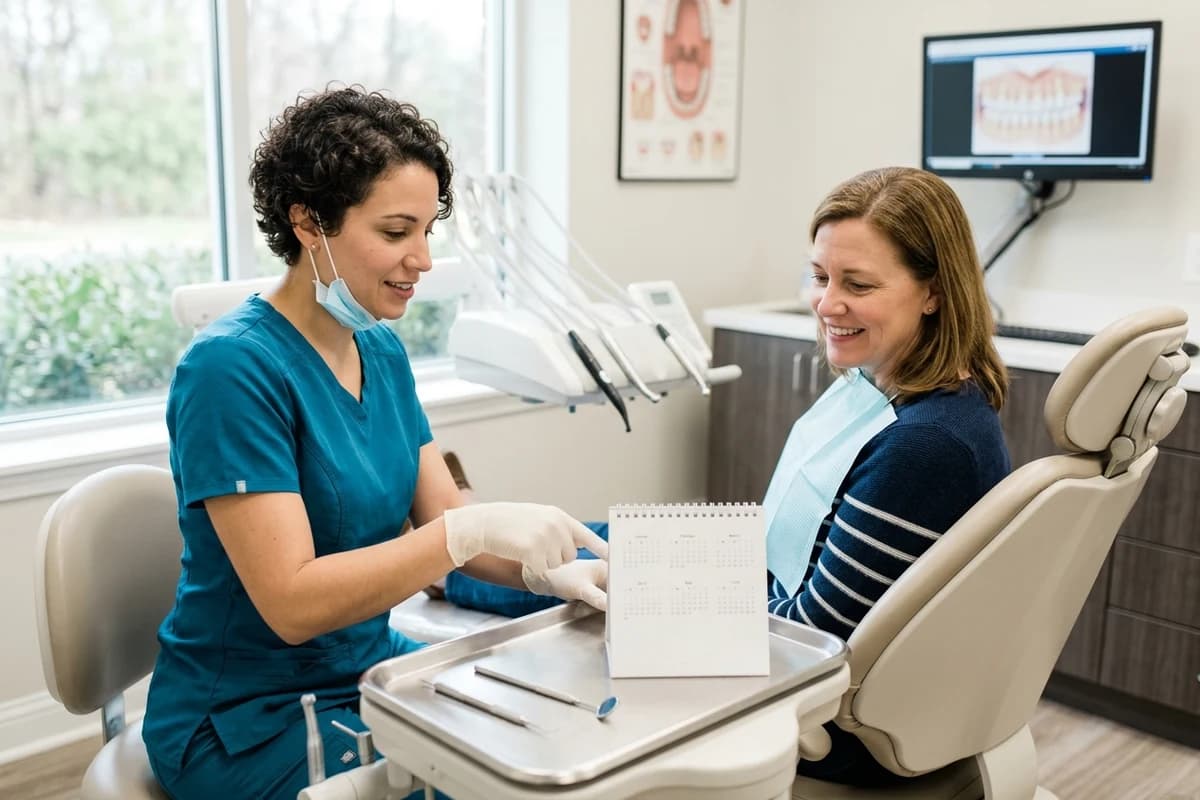
Dentures Columbia PA: A Patient Guide to Dentures
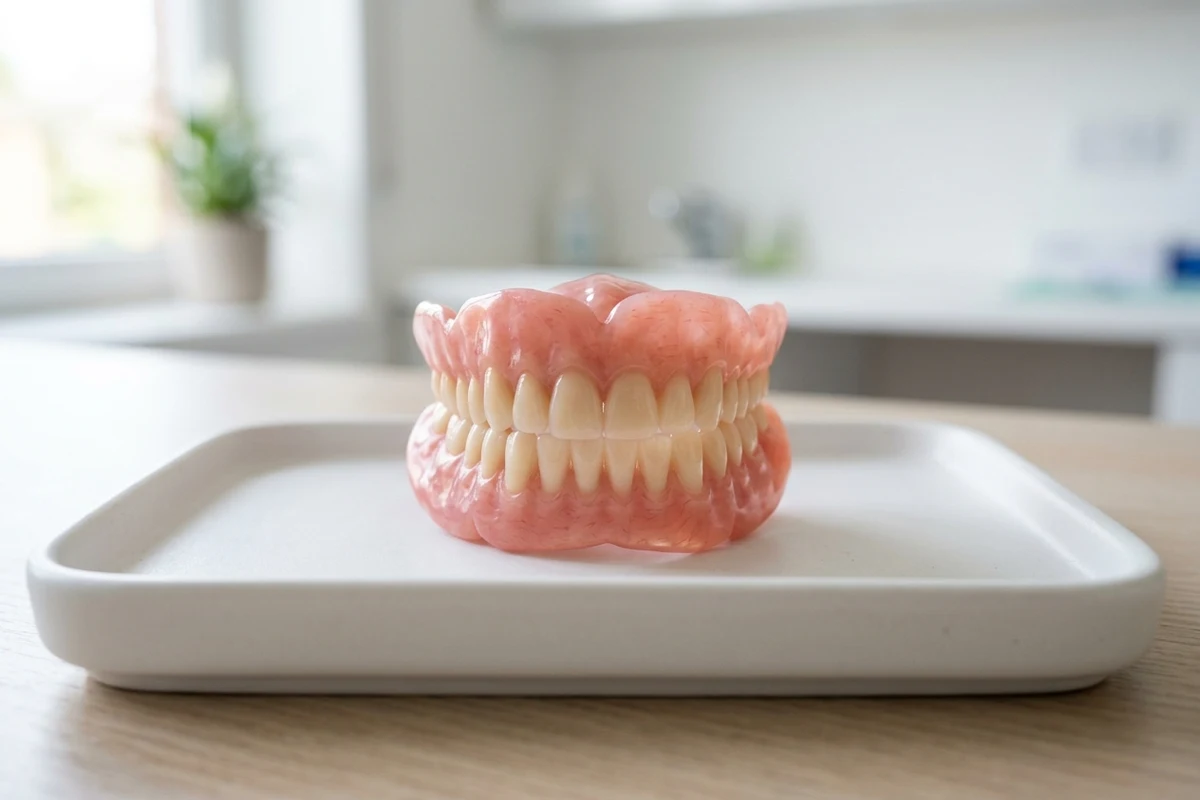
For individuals considering dentures Columbia PA, modern dental prostheses restore chewing function, speech clarity, and facial support following tooth loss caused by advanced periodontal disease, extensive decay, or oral trauma.
Short Answer
Short Answer
Receiving dentures Columbia PA involves evaluating your oral tissues, selecting an appropriate removable or implant-retained prosthesis, and completing precision impressions to rebuild dental function. Dentures replace missing teeth, support facial contours, and restore balanced chewing after tooth loss from decay or gum disease. Successful treatment relies on careful initial planning, a gradual neuromuscular adaptation phase, and consistent daily maintenance to preserve mucosal health.[1][2]
Understanding Removable Prosthodontics and Denture Care
Removable prostheses replace missing teeth and their supporting oral structures to restore essential oral functions. For patients seeking tooth replacement, these custom appliances address the functional, aesthetic, and structural consequences of edentulism, which is the state of lacking natural teeth.[2]
Complete and Partial Tooth Replacement
Complete dentures rest directly on the residual mucosal ridges when all natural teeth are missing within a dental arch. Removable partial dentures are designed for individuals who retain some healthy natural teeth, using specialized metal clasps or discreet attachments to anchor the appliance securely in the mouth.[2]
Anatomical Changes Following Tooth Loss
Tooth loss initiates alveolar bone resorption, a biological process where the jawbone ridge gradually decreases in height and width over time. When teeth are missing, the lack of stimulation causes structural shifts that alter facial support, chewing mechanics, and speech articulation if left unaddressed.[2]
Clinical Causes and Candidacy Considerations
Evaluating a patient for prosthetic teeth requires assessing the underlying reasons for tooth loss alongside overall systemic and oral health. Dentists review soft-tissue condition, remaining bone volume, and individual medical factors to determine whether a removable appliance or implant-retained option provides the most predictable outcome.[1][2]
Underlying Causes of Tooth Loss
Severe tooth loss frequently stems from untreated periodontal disease, which progressively destroys the supporting bone and connective tissues around roots. Widespread dental caries and physical dental trauma can also compromise dental structures, ultimately necessitating full or partial prosthetic replacement.[1][2]
Oral Architecture and Candidate Factors
Ideal candidates possess healthy oral mucosa free from active infection and adequate residual ridge contours to support a base. Dentists assess salivary flow, jaw relationships, and neuromuscular control, as these biological elements directly influence how comfortably an appliance rests on the gums during everyday movement.[2]
Indicators for Dental Evaluation and Tooth Replacement
Recognizing when to seek professional evaluation ensures oral tissues remain healthy and restorative care begins before severe bone loss progresses. Changes in chewing ability, chronic discomfort, or ill-fitting existing appliances signal that clinical intervention and prosthetic planning are necessary.[1][2]
Symptoms Warranting Professional Assessment
Difficulty chewing everyday foods, speech changes, loose natural teeth, and chronic gum pain suggest significant underlying dental breakdown requiring prompt evaluation. For current denture wearers, persistent sore spots, loose bases, or frequent slippage indicate underlying bone changes that require professional clinical adjustments, relines, or appliance replacement.[1][2]
Comprehensive Clinical Assessment and Planning
Dental professionals use thorough clinical examinations and diagnostic records to formulate an individualized restorative plan. Practitioners examine oral soft tissues, measure vertical dimensions, and evaluate radiographic images to map out ridge anatomy before recommending a specific prosthetic design.[1][2]
Diagnostic Steps and Structural Mapping
The examination begins with visual and tactile evaluations of the gums, palate, and tongue to identify inflammation or anatomical irregularities. Radiographs assess bone density and detect retained root tips. Clinicians then record precise preliminary impressions to capture the exact contours of the resting dental arches.[1][2]
Comparison of Modern Prosthetic Options
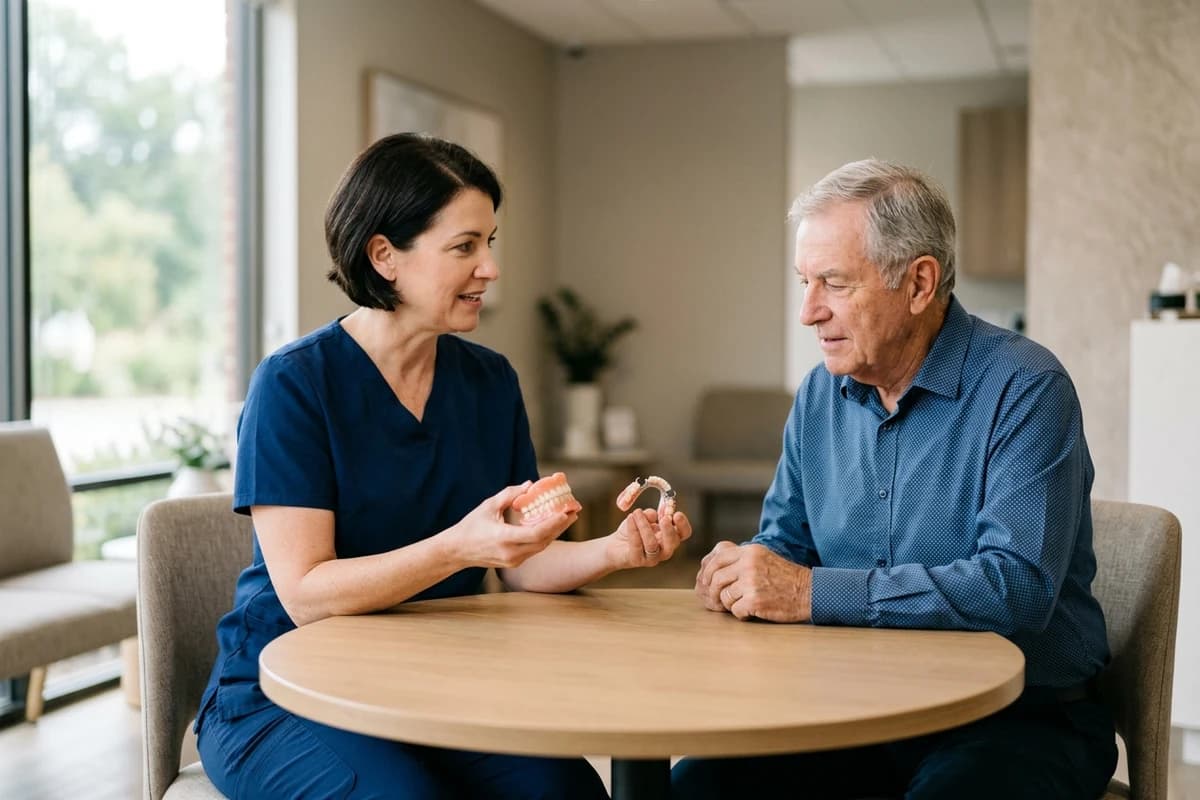
Patients can choose among several prosthetic designs depending on clinical needs, remaining dentition, and lifestyle preferences. Comparing traditional full dentures, partial frameworks, and implant-stabilized overdentures helps individuals understand the distinct advantages, stability levels, and maintenance demands of each restorative category.[2]
Conventional Versus Immediate Dentures
Conventional dentures are crafted and placed after extraction sites have fully healed, ensuring a stable, intimate tissue fit. Immediate dentures are fabricated in advance and inserted immediately following tooth removal, protecting extraction sites and preventing edentulous periods, though they require subsequent relines as tissues shrink.[2]
Removable Partials and Implant Overdentures
Removable partial dentures utilize cast-metal or acrylic frameworks to span gaps while preserving remaining sound teeth. In contrast, implant-retained overdentures clip onto dental implants anchored into the jawbone, delivering substantially enhanced stability, improved bite force, and reduced shifting during mastication compared to traditional appliances.[2]
Clinical Steps in Denture Fabrication
Fabricating a custom dental appliance involves a detailed sequence of appointments designed to achieve optimal comfort, stable occlusion, and balanced aesthetics. Each step verifies proper jaw alignment and mucosal contact before the dental laboratory cures the final acrylic or composite resin base.[2]
Impressions and Jaw Relation Records
Following preliminary impressions, the clinician takes a final, highly accurate border-molded impression to capture dynamic muscle attachments. Wax bite rims are then carefully utilized to measure jaw relationships, establish vertical facial height, and record the exact spatial alignment between the upper and lower arches.[2]
Wax Try-In and Final Insertion
A trial denture with teeth set in wax allows both clinician and patient to evaluate aesthetics, phonetic pronunciation, and bite alignment before processing. Once verified, the appliance is processed in durable acrylic resin, polished, and inserted, accompanied by initial occlusal adjustments to relieve localized pressure.[2]
Adaptation, Maintenance, and Appliance Longevity
Adjusting to a new prosthesis involves a learning period where muscles and oral tissues adapt to the appliance. Maintaining strict hygiene protocols, attending periodic adjustments, and scheduling long-term evaluations ensure the oral mucosa remains healthy and the prosthesis functions predictably for years.[2]
The Neuromuscular Adaptation Phase
During the initial weeks, patients often experience temporary excess salivation, minor speech alterations, and localized sore spots as tissues adapt. Practicing reading aloud and chewing soft foods bilaterally on both sides of the mouth helps stabilize the prosthesis and significantly accelerates neuromuscular coordination.[2]
Daily Cleansing and Storage Protocols
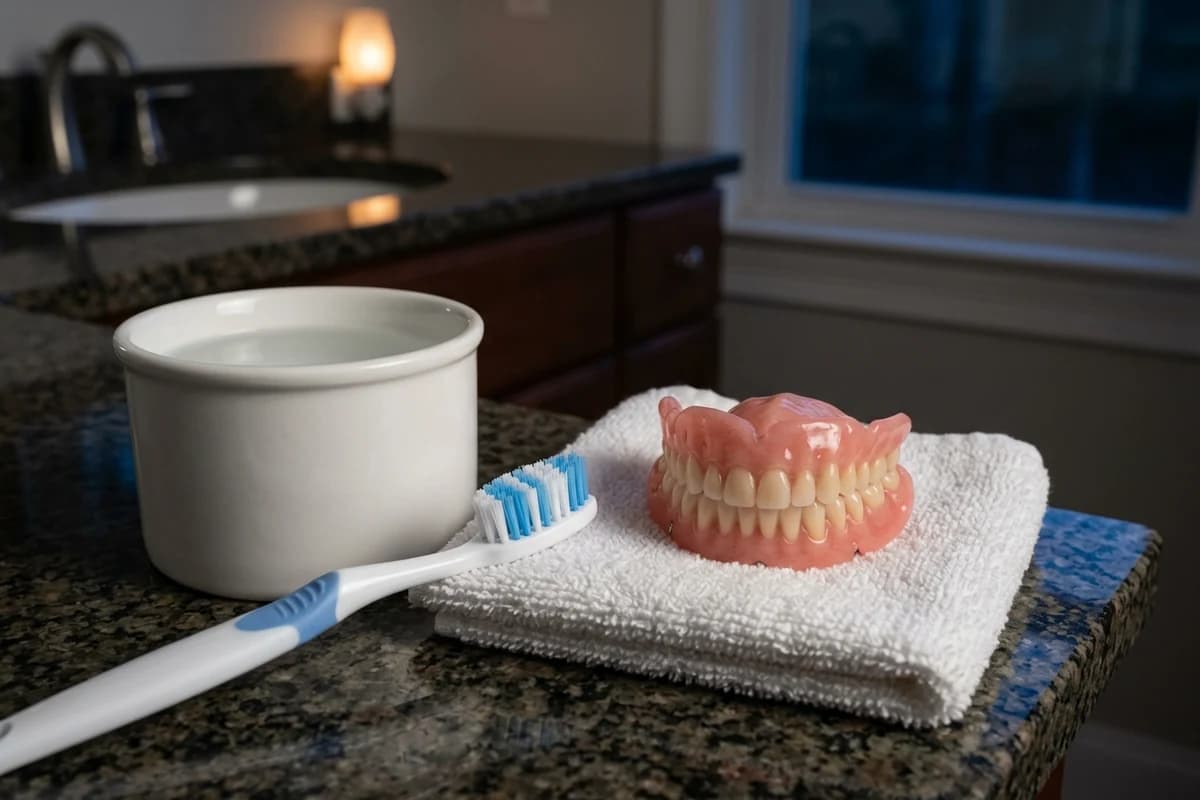
Proper daily hygiene prevents plaque accumulation, surface staining, and denture-related stomatitis, a chronic fungal irritation of the gums. Patients must avoid using hot water or abrasive household pastes, which warp and scratch acrylic materials, creating microscopic grooves where harmful microbes multiply. Safe handling protocols protect the appliance from structural damage.[2]
- Rinse appliances thoroughly after meals to dislodge loose debris and food particles.
- Brush daily using a soft-bristled denture brush and non-abrasive commercial cleanser.
- Soak dentures overnight in water or a cleansing solution to prevent material desiccation.
- Clean the gums, tongue, and palate daily to stimulate circulation and control oral biofilm.
Prosthetic Limitations and Professional Support
While modern dentures significantly restore oral function, they require ongoing professional maintenance and periodic modifications. Because residual jawbone gradually resorbs over time, removable appliances eventually lose retention and stability. Regular professional evaluations identify when a laboratory reline or replacement is needed to restore a safe, stable fit.[2][3]
Managing Wear and Avoiding Self-Repair
Denture adhesives can provide temporary help with retention, but increasing looseness may reflect changes in the gums and underlying bone that require a professional fit evaluation. Use adhesive only as directed, and never bend clasps or use household glue to repair an appliance; damaged or poorly fitting dentures should be assessed by a dentist.[2][3]
Sources
- Gum Disease — National Institute of Dental and Craniofacial Research
- Denture Care and Maintenance — American Dental Association
- Denture Adhesives — U.S. Food and Drug Administration
Common questions
Frequently asked questions
The useful life of a complete or partial denture varies with fit, wear, and changes in the gums and jawbone. Periodic professional evaluations allow your dentist to determine when an adjustment, reline, repair, or replacement is needed to maintain comfort and function.[2]
Sleeping without dentures relieves continuous pressure on the gum tissues and allows normal saliva circulation to cleanse the mouth. Continuous wear increases the risk of denture-related stomatitis, an inflammatory condition typically caused by Candida albicans fungal overgrowth under the warm, shielded acrylic base.[2]
Standard toothpastes should not be used on dentures because they contain abrasive agents that create microscopic scratches in acrylic materials. These scratches harbor bacteria and fungal organisms that cause odors and infections. Instead, use a soft-bristled brush with a dedicated non-abrasive denture paste or mild cleansing soap.[2]
Severe periodontal disease is an advanced bacterial infection that damages the periodontal ligament and alveolar bone supporting the teeth. As this structural bone support is lost, teeth become loose, painful, and non-restorable, frequently making tooth extraction and removable or implant-supported prostheses the most effective treatment pathway.[1][2]
Plan your visit with Happy Smiles at Columbia
Contact Happy Smiles at Columbia to request an appointment and discuss your personalized tooth replacement options, restorative goals, and oral health needs with our clinical team.