Dentist Columbia PA: Routine Exams & Cleaning for Every Age
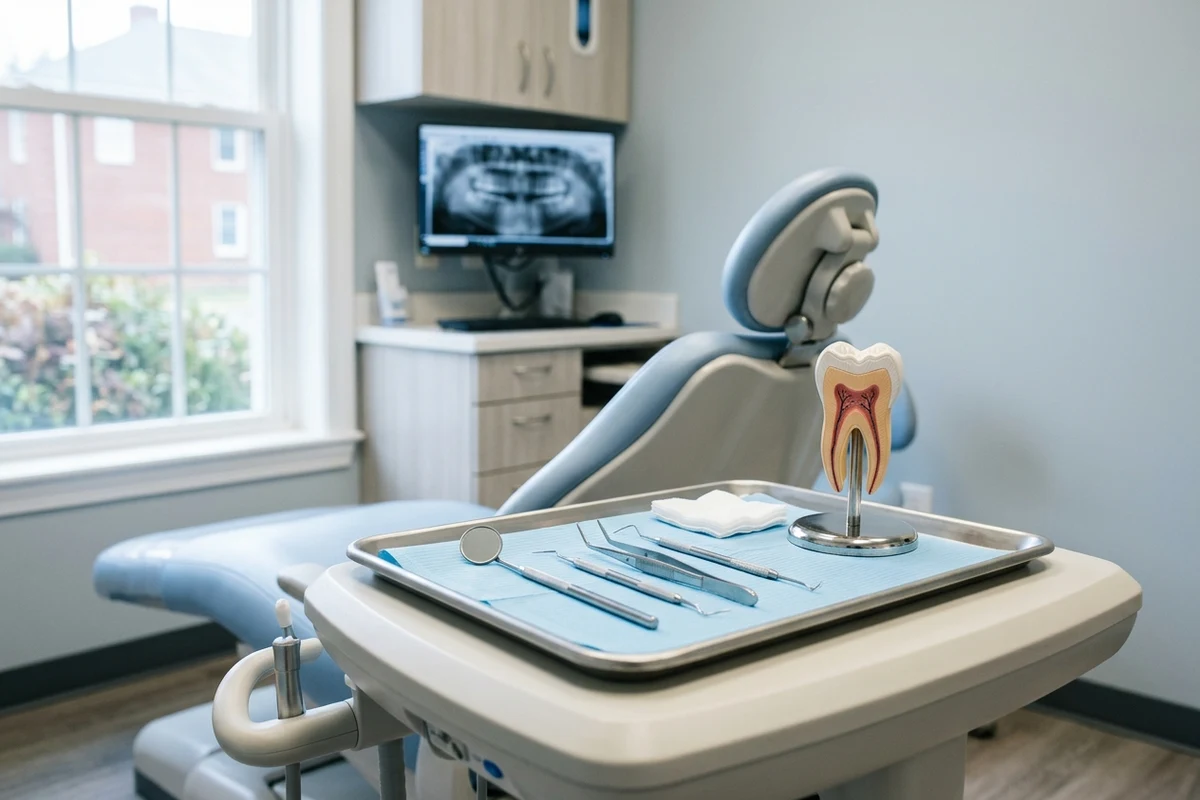
Scheduling regular visits with a dentist Columbia PA helps protect your oral health through diagnostic exams, professional calculus removal, and personalized preventive care designed for children and adults alike.
Understanding Routine Dental Maintenance and Local Care
Routine dental evaluations and professional cleanings serve as the foundation of outpatient oral healthcare. While daily hygiene removes soft debris, clinical visits allow dental professionals to detect asymptomatic conditions and manage hard mineral deposits before serious dental disease develops.[2][3]
The Purpose of Ongoing Oral Assessments
Choosing a general dentist Columbia PA ensures consistent monitoring of your teeth, gums, and supporting bone. Routine appointments combine professional scaling with diagnostic checks to preserve natural dentition and intercept problems before restorative treatments or extractions become necessary.[2][3]
Comprehensive Support for the Entire Household
A family dentist Columbia PA adapts preventive appointments across every age group, from developing childhood dentition to adult restorative maintenance. These periodic assessments ensure age-appropriate guidance on enamel remineralization, dietary habits, and developmental milestones throughout life.[1][3]
Factors Influencing Preventive Care Durability and Frequency
The longevity of your oral health relies on the biological equilibrium between bacterial biofilm accumulation and clinical intervention. Factors such as salivary mineral levels, systemic diseases, and home hygiene efficacy dictate how rapidly oral conditions shift toward tissue breakdown.[2][3]
Mechanisms of Bacterial Plaque and Tartar
Microscopic oral bacteria form an adherent biofilm on enamel known as plaque. If undisturbed, minerals in saliva calcify this matrix into dental calculus, or tartar. Calculus bonds firmly to tooth surfaces, providing a rough shelter for bacteria that cannot be removed by standard toothbrushing alone.[2][3]
Gingival Health and Systemic Health Interactions
Undetected plaque along gingival margins triggers inflammatory swelling called gingivitis. Without clinical maintenance, inflammation can advance to periodontitis, causing irreversible bone loss. Furthermore, chronic oral inflammation shares documented bidirectional connections with systemic disorders like cardiovascular disease and glycemic control in diabetes.[2][3]
Signs and Scheduling for Professional Evaluations
Routine appointments should occur proactively rather than in response to severe discomfort. Subtle physical warnings often indicate that plaque toxins are irritating your tissues or that enamel demineralization has begun beneath the surface.[2][3]
Recognizing Changes in Gums and Teeth
You should schedule an evaluation if you notice gums bleeding during brushing, localized tooth sensitivity to temperature, or persistent halitosis. Even without active symptoms, scheduling an appointment is advisable if it has been over six months since your last professional cleaning and clinical evaluation.[2][3]
The Clinical Examination Process
During an evaluation, a clinician thoroughly examines the oral cavity using standardized diagnostic protocols. Clinicians assess soft tissues, check the integrity of natural teeth and existing restorations, and evaluate bone support without relying solely on visual inspection.[2][3]
Standard Diagnostic Screening Steps
A comprehensive examination incorporates multiple diagnostic components designed to evaluate current health status and identify risk factors before irreversible tissue damage occurs.[2][3]
- Medical history review documenting chronic diseases, prescription medications, and overall health status.
- Periodontal probing to measure gingival pocket depths and identify early signs of tissue detachment.
- Visual screening of intraoral soft tissues, tongue, and neck lymph nodes to detect mucosal abnormalities.
- Targeted diagnostic radiographs ordered selectively based on individual disease risk and clinical necessity.
Preventive Care Approaches and Comfort Considerations
Dental practices utilize tailored approaches to preventive care based on individual caries risk, tissue sensitivity, and patient anxiety levels. Selecting the appropriate prophylaxis method ensures thorough plaque debridement while maintaining patient comfort throughout the clinical appointment.[2][3]
Techniques for Patient Comfort
Visiting a gentle dentist Columbia PA can help reduce apprehension through clear procedural communication, gentle manual scaling techniques, and topical desensitizing measures. Addressing anxiety encourages patients to maintain consistent recall appointments, which directly prevents severe, complex oral conditions from developing.[2][3]
Supplemental Topical Therapies
Clinicians frequently compare routine polishing with high-concentration topical fluoride applications. While mechanical polishing eliminates extrinsic superficial stains, fluoride varnishes actively promote enamel remineralization, making them especially valuable for patients exhibiting elevated tooth decay risks or root exposure.[1][2]
Step-by-Step Overview of a Cleaning Appointment
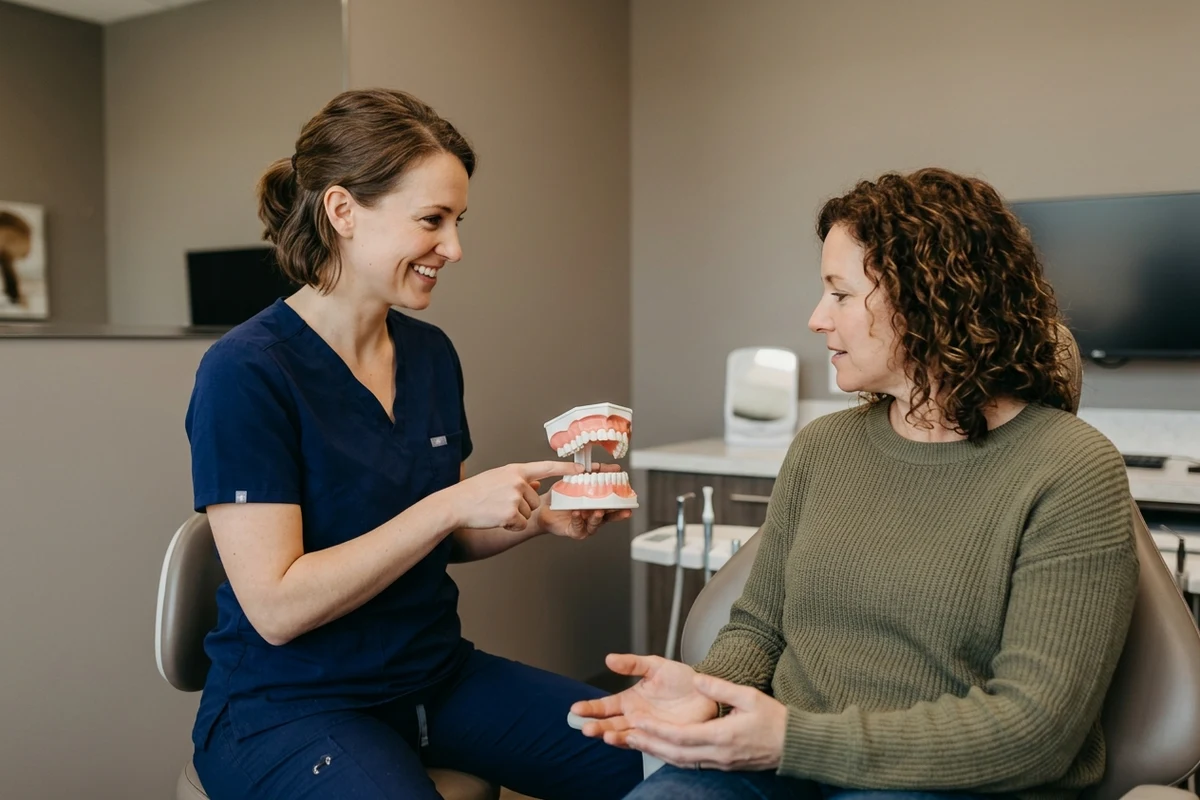
A routine dental hygiene visit follows an orderly clinical protocol designed to eliminate harmful bacterial reservoirs. Knowing what to expect during each stage of the appointment helps patients feel comfortable and informed throughout their visit.[2][3]
Clinical Debridement and Polishing
At Happy Smiles Columbia, preventive visits begin with manual or ultrasonic scaling to carefully remove calculus from enamel and beneath the gumline. After scaling, a mildly abrasive paste polishes away surface stains, followed by interdental flossing to dislodge any residual loose debris.[2][3]
Doctor Evaluation and Care Planning
Following the hygiene phase, Dr Qilin Xu reviews diagnostic findings, examines existing dental work for breakdown, and assesses periodontal measurements. The doctor discusses findings directly with you to establish individualized home care recommendations and schedule subsequent maintenance visits.[2][3]
Long-Term Maintenance and Daily Oral Hygiene
Clinical cleanings establish a healthy oral baseline, but daily home habits dictate how long those benefits last. Sustaining healthy gums and intact enamel requires diligent mechanical biofilm disruption and mindful nutritional habits between scheduled dental visits.[2][3]
Brushing and Interdental Cleaning Practices
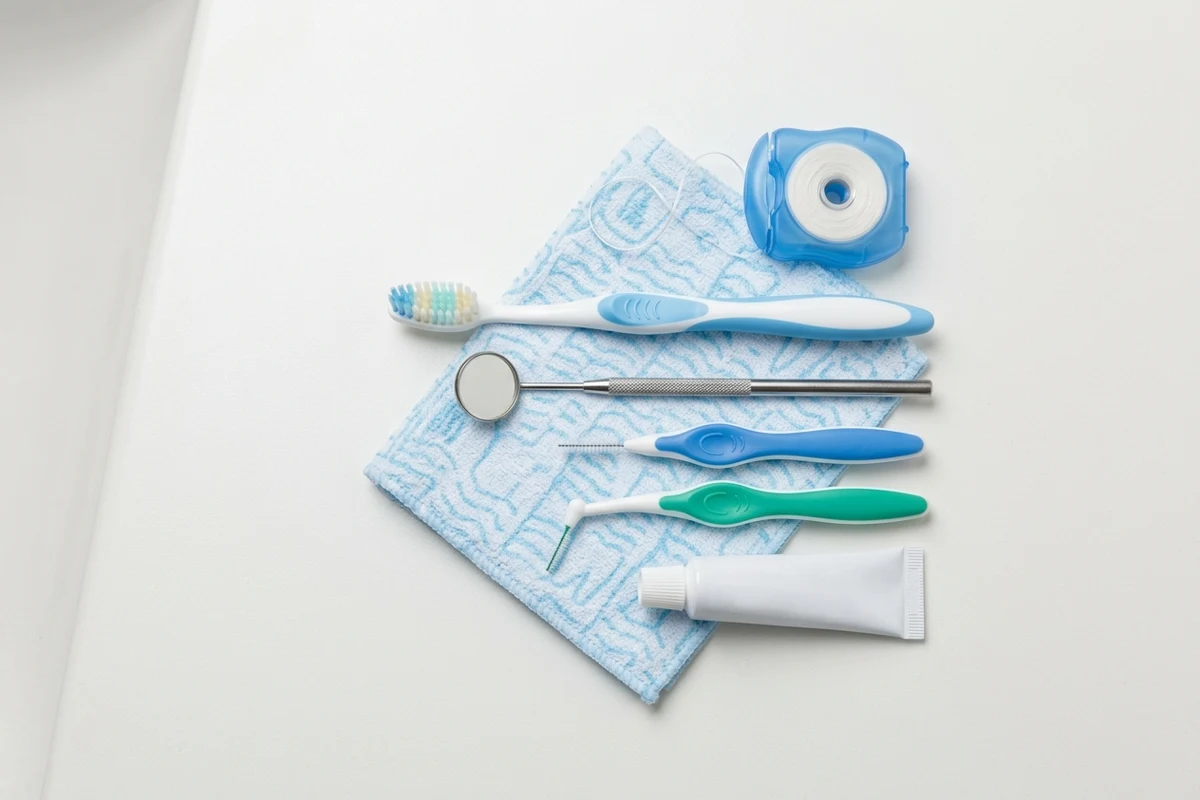
Brush twice daily for two minutes using a soft-bristled brush and fluoride toothpaste to support enamel remineralization. Daily interdental cleaning with floss, water flossers, or specialized brushes is equally essential, as standard toothbrush bristles cannot reach plaque situated between tight contact points.[2]
Determining Professional Visit Timing
While healthy patients typically visit every six months, recall intervals depend on individual risk profiles. Individuals with past periodontal therapy or higher rates of calculus formation often benefit from maintenance visits every three to four months to keep bacterial colonies controlled.[2][3]
Risk Mitigation and Taking the Next Step
Delaying professional dental maintenance allows biofilm to accumulate, converting manageable surface plaque into hard calculus that promotes periodontal breakdown. Scheduling timely assessments ensures early detection of minor concerns, preserving your teeth and avoiding complex interventions.[2][3]
Prioritizing Preventive Oral Care
Preventing significant oral complications begins with consistent, routine checkups. Establishing a recurring exam schedule enables clinical professionals to monitor tissue stability, guide daily preventive techniques, and preserve your natural smile over your lifetime.[2][3]
Sources
- mouthhealthy.org — American Dental Association
- ada.org — American Dental Association
- nih.gov — National Institute of Dental and Craniofacial Research
Common questions
Frequently asked questions
Plan your visit with Happy Smiles at Columbia
Contact Happy Smiles at Columbia today to request an appointment for your routine exam and cleaning, and discuss your oral health questions with our caring team.
More Articles
View all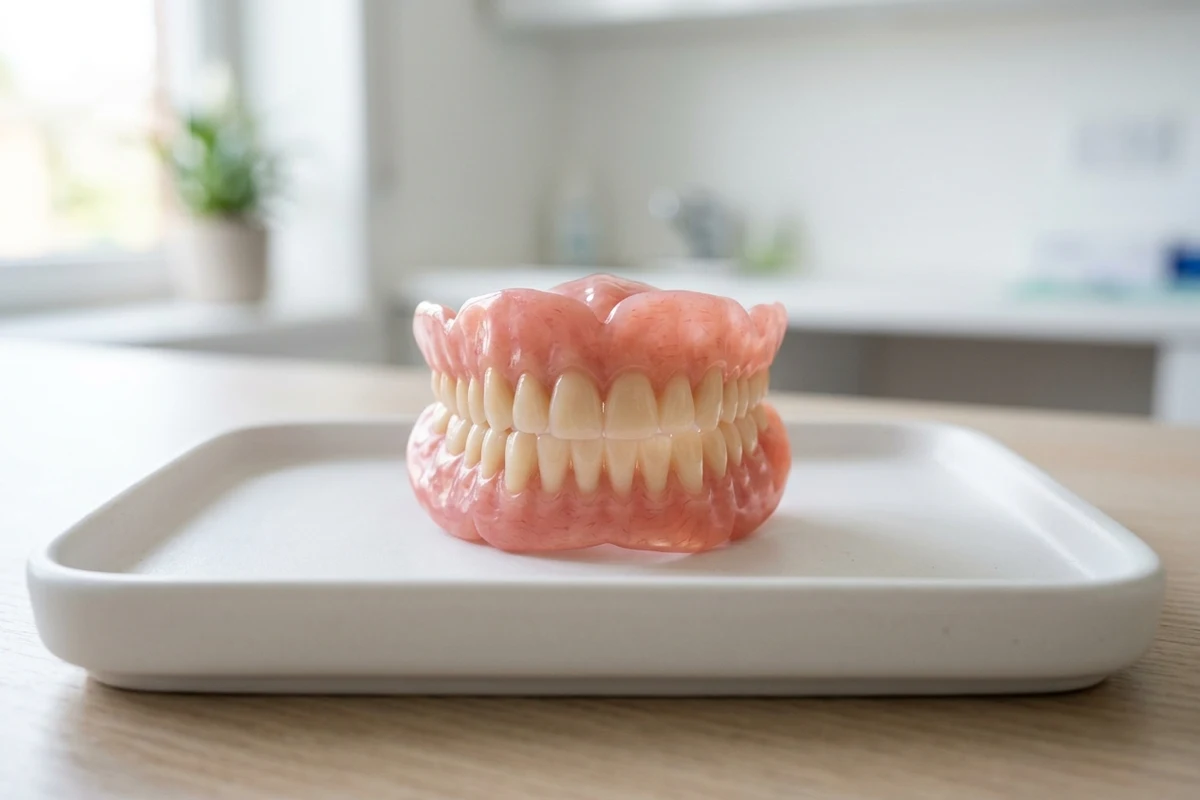 Restorative Dentistry
Dentures Columbia PA: A Patient Guide to Dentures
For individuals considering dentures Columbia PA, modern dental prostheses restore chewing function, speech clarity, and facial support following tooth loss caused by advanced periodontal disease, extensive decay, or oral trauma.September 15, 2026 · 6 min read Emergency Dentistry
What To Do For A Dental Emergency: A Patient Guide to Emergency Dentistry
Knowing what to do for a dental emergency can help you respond calmly and seek timely care. Learn basic first-aid steps, warning signs, and when to contact a dentist or emergency department.September 14, 2026 · 6 min read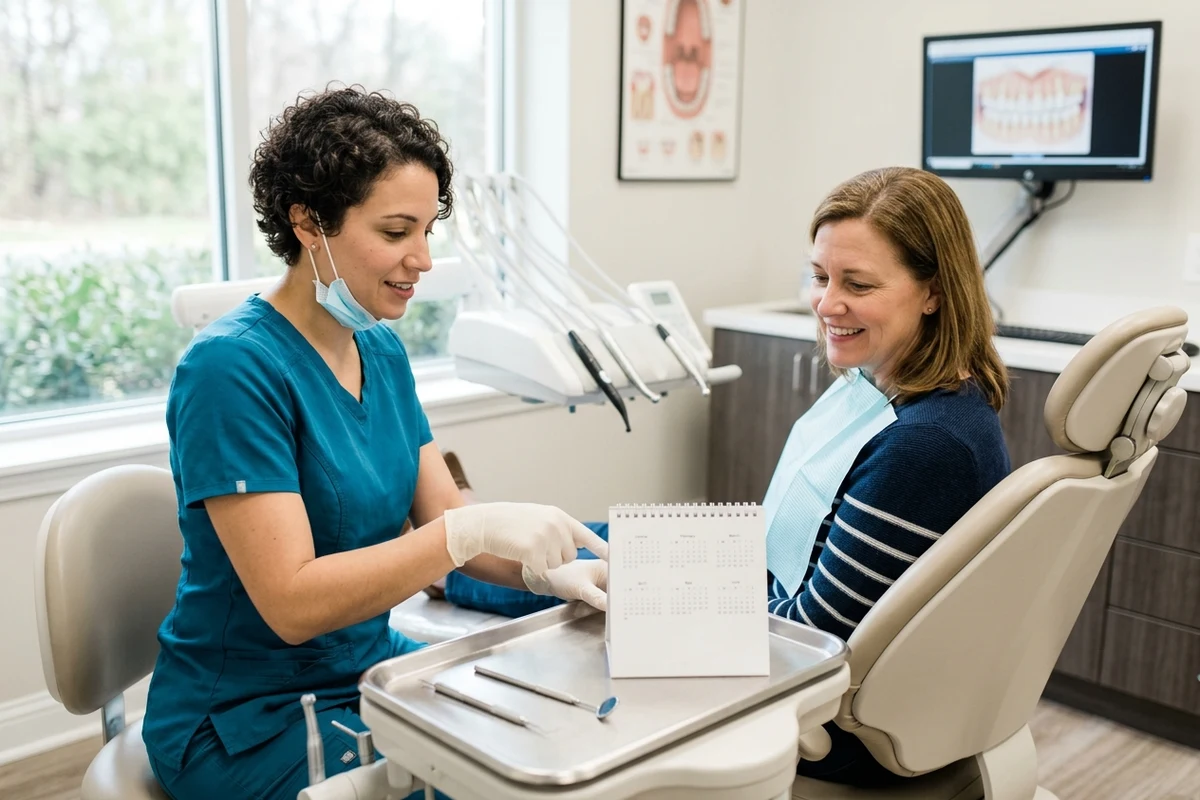 Preventive Dentistry